
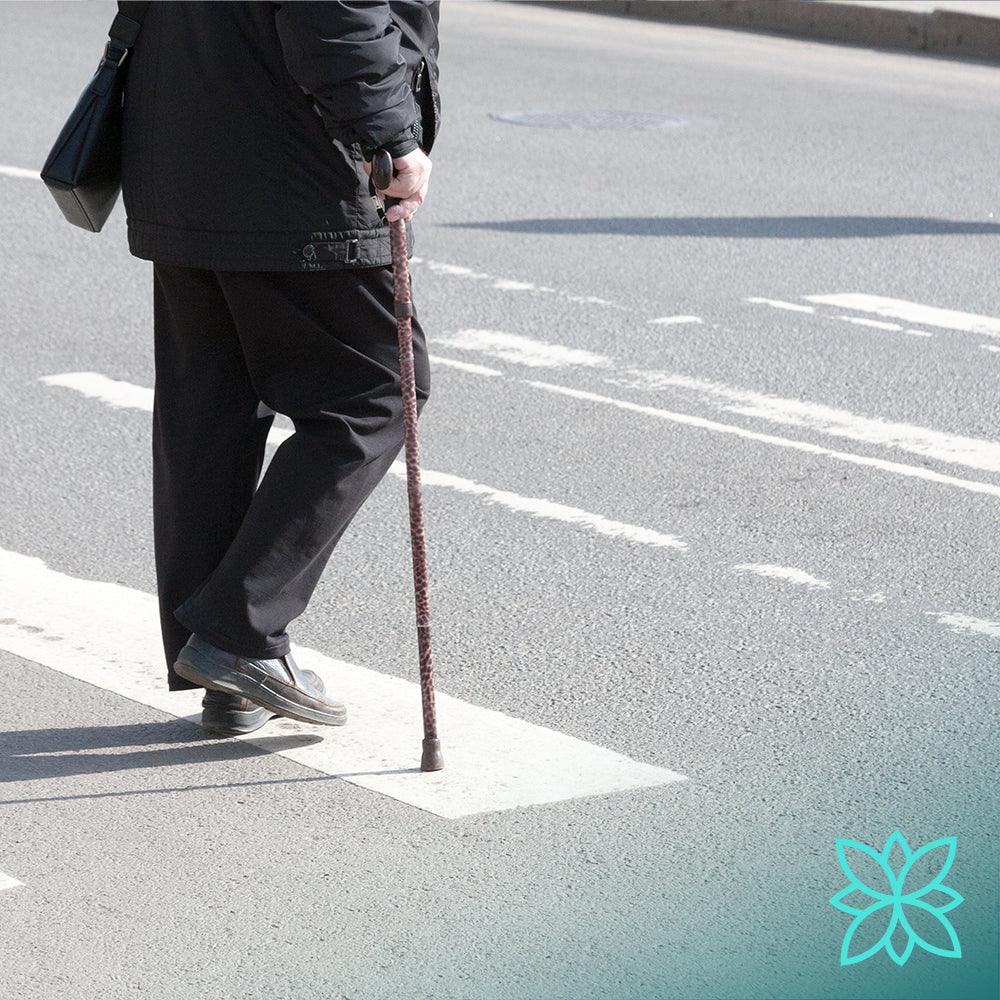
Walkers for seniors enhance stability and independence. They offer support for mobility and balance.
Seniors who value their autonomy yet need assistance with walking will find walkers an indispensable aid. These walking tools are tailored to meet the varying needs of the elderly, whether for indoor or outdoor use, providing confidence and safety with every step.
Walkers come in different designs, including those with wheels for ease of movement and foldable options for convenient storage and transport. Adjustable height features ensure a comfortable fit, critical for preventing strain and maintaining proper posture. Carefully selected walkers can significantly improve the quality of life for seniors, enabling them to stay active and engaged in their communities. With the right walker, the elderly can navigate their environments more securely and with less strain on their bodies.

Credit: medium.com
Introduction To Mobility Aids For Seniors
As we embrace the golden years of life, ensuring safety and maintaining independence become paramount. Among the various mobility aids available, walkers have emerged as a boon for many seniors. They provide not just support, but restore confidence in their ability to move around with ease. This introduction to mobility aids for seniors will explore how these devices cater to varying needs, enhancing life quality for our older population. Let’s delve into the world of walkers and understand their critical role in senior care.
Understanding The Need For Walkers
Physical limitations aren’t uncommon as we age. Declining balance, reduced strength, and various health issues often necessitate additional support. Walkers fulfill this need by offering stability and balance, enabling elderly individuals to navigate their surroundings safely. The right walker can minimize the risk of falls, a prevalent concern for seniors, and support a more active and engaged lifestyle. Key reasons many seniors turn to walkers include:
- Reduced leg strength
- Better balance and gait stability
- Injury prevention, particularly from falls
- Post-surgical support during recovery
The Impact Of Mobility Aids On Senior Independence
Mobility aids like walkers don’t just provide physical support—they enhance independence. For seniors, independence is closely linked to self-esteem and quality of life. Being able to complete daily activities without assistance is empowering. Walkers are instrumental in helping maintain this autonomy by:
- Allowing for free movement and travel outside the home.
- Reducing reliance on caregivers for everyday tasks.
- Enhancing participation in social activities.
- Promoting exercise and outdoor experiences.
Different Types Of Walkers And Their Uses
As we age, mobility can become a concern, but it needn’t be a barrier to maintaining an active lifestyle. Walkers for seniors are a vital aid for those who require additional support while walking. Not all walkers are created equal, and understanding the different types can help you or your loved one choose the right one. These mobility tools have been designed with various features to cater to specific needs and preferences. Let’s explore the different types of walkers and their ideal uses.
Standard Walkers And Their Advantages
Standard walkers, or no-wheel walkers, are the most basic form of walking aid. Constructed from lightweight metal frames, they require the user to lift the walker and place it a short distance in front of them with each step. Their advantages include:
- Stability: Offering excellent support, they are ideal for those who need a high degree of balance assistance.
- Simple Design: Without complex mechanisms, they are easy to use and maintain.
- Durability: The sturdy construction makes them long-lasting.
- Adjustability: Height can be adjusted to suit the individual user for optimal comfort and ergonomics.
Wheeled Walkers: Pros And Cons
Wheeled walkers, also known as rollators, come with either two or four wheels and offer a different experience. Simple to maneuver, they allow for a smoother motion without the need to lift the walker. Here is a breakdown of their pros and cons:
| Pros | Cons |
|---|---|
|
|
Choosing the right walker involves assessing the individual’s mobility level, physical strength, and the environment in which the walker will primarily be used. Whether opting for the stable support of a standard walker or the convenience of a wheeled walker, making an informed decision can greatly impact the user’s independence and quality of life.
Assessing The Right Walker For Individual Needs
Assessing the Right Walker for Individual Needs is a vital step for any senior looking to maintain their mobility and independence. With the right device, not only can they enjoy the freedom to move about safely, but they can also prevent falls and injuries. Let’s delve into the various considerations and customization options that can transform a walker from a simple aid into a personalized mobility assistant.
Factors To Consider When Choosing A Walker
Every individual’s situation is unique, and as such, selecting the proper walker involves multiple factors.
- User’s Weight and Height: Walkers must accommodate the user’s physical dimensions to ensure safety and comfort. Weight capacity and handle height are critical to check.
- Mobility Level: Does the user need just a little support or more substantial assistance? Options range from basic walkers to rollators with wheels and hand brakes.
- Terrain: Consider whether the walker will be used indoors, outdoors, or both. Larger wheels cope better with rough surfaces, while smaller wheels are ideal for smooth interiors.
- Storage and Portability: Foldability and weight affect how easily a walker can be transported or stored.
- Accessories: Assess if additional features like seats, baskets, or trays will enhance the user experience.
Personalizing Your Walker: Customization Options
Customizing a walker not only improves functionality but can also reflect the user’s personality and style.
- Color and Design: Seniors can choose a walker that appeals to their aesthetic preferences, with options ranging from sleek, contemporary designs to bright, eye-catching colors.
- Handle Grips: Ergonomic grips reduce hand fatigue and can be tailored to the user’s comfort.
- Wheels: From size to tread, wheel options are customizable based on user needs and the environments they’ll be traversing.
- Add-ons: Cup holders, smartphone mounts, and other accessories can enhance the convenience of using a walker.
- Cushioning: Adding cushions or padded seats offers extra comfort during longer periods of use.

Credit: www.pinterest.com
Safety Features And Innovations In Walkers
Ensuring the safety and independence of seniors is paramount when it comes to mobility aids. Walkers have evolved from simple frames to advanced devices equipped with a multitude of safety features and innovations designed to provide stability, confidence, and freedom. Let’s delve into the essential mechanisms and technological enhancements that are setting new standards in senior mobility.
Essential Safety Mechanisms
Sturdy construction, non-slip grips, and easy-to-use brakes are crucial in preventing falls and injuries. A well-designed walker offers:
- Weight Capacity: Ensures the frame can support the user securely.
- Rubberized Wheels: Provide traction and smooth maneuvering.
- Lockable Brakes: Allow quick stopping and stability during transfers.
- Adjustable Height: Accommodates various user statures for proper posture.
Accessibility features such as foldability also make storage and transportation easier, adding to the overall safety of the walker.
Latest Technological Enhancements For Senior Mobility
Technology has redefined what walkers can offer. Smart sensors, GPS tracking, and even AI assistance are some of the breakthroughs contributing to safer mobility:
| Technological Feature | Benefit |
|---|---|
| Motion-Activated Lights | Illuminate the path in low-light environments. |
| Smart Braking Systems | Automatic brakes engage upon certain triggers, like loss of grip. |
| Fall Detection Sensors | Alert caregivers or family members in case of a fall. |
| GPS Tracking | Ensures the safety of wander-prone individuals by monitoring their location. |
Innovations like ergonomic design elements and voice-activated controls enhance both the comfort and convenience for seniors using walkers. The focus is on creating a mobility aid that not only prevents accidents but also fosters a sense of autonomy.
Practical Tips For First-time Walker Users
Practical Tips for First-Time Walker Users can be a game-changer in enhancing the mobility and independence of seniors. Navigating the use of a walker might seem daunting initially, but with the right guidance, it can quickly become second nature. These tips aim to equip you with the knowledge necessary for a comfortable and confident start on your journey to improved mobility.
Overcoming The Learning Curve
Starting out with a new walker may feel overwhelming. Don’t worry; it’s normal to experience a learning curve. Begin by :
- Reading the manual: Familiarize yourself with the walker’s features and instructions.
- Adjusting the height: Ensure the walker is properly adjusted to your height. The handles should align with your wrist crease when you stand upright.
- Practicing in a safe space: Start using your walker in a familiar area without obstacles.
- Scheduling a training session: Consider a session with a physical therapist for personalized guidance.
Consistency is key. Regular practice will help you become more comfortable with your walker. It’s also important to seek assistance or ask questions whenever necessary to ensure safe usage.
Maintaining Posture And Balance
Good posture and balance are vital when using a walker. This not only prevents falls but also helps in maximizing the walker’s benefits. Keep these points in mind:
- Stand tall with shoulders relaxed and look straight ahead.
- Grip the handles without slouching, ensuring your back is straight.
- Move the walker forward first, then step into it, maintaining your weight evenly distributed between your feet and the walker.
- Avoid pushing the walker too far in front of you, which can cause imbalance.
- Use the walker to steadily support yourself as you take each step.
Perfecting your balance and posture with a walker takes time. Regular practice while focusing on these tips will increase your confidence and stability when using a walker.
Walker Maintenance And Upkeep
Keeping your walker in top condition is crucial for ensuring optimal performance and safety. Like any frequently used tool, walkers require regular maintenance to function properly. Whether you rely on a walker temporarily or it’s a long-term aid in your mobility, understanding how and when to service it will extend its lifespan and effectiveness. Let’s explore the best practices for regular cleaning and care and determine when to service or replace your walker.
Regular Cleaning And Care
Consistent cleanliness is essential for the durability and safety of your walker. Here’s a simple routine to follow:
- Wipe down the frame daily with a damp cloth to remove dirt and grime.
- Use mild soap and water for a weekly deep clean, paying particular attention to the grips and wheels.
- Inspect the rubber tips of your walker’s legs to ensure they are not worn out.
- Check for any loose screws or parts and tighten them as needed.
By adhering to this routine, you can ensure a higher level of hygiene and prevent the build-up of substances that might cause your walker to malfunction.
When To Service Or Replace Your Walker
Understanding the signs that your walker needs servicing or replacing is vital for maintaining mobility and safety. Pay attention to the following indicators:
- Noise or creaks indicating loose or worn-out parts.
- Excessive wear on the wheels or tips of the legs.
- Stability issues or a change in the ease of maneuverability.
- Visible rust or structural damage to the frame.
Most walkers are designed to last for years, but these signs might indicate it’s time for a service check or to consider investing in a new walker. While some issues can be fixed by replacing parts, a walker that has become unreliable should be replaced for your safety.
| Issue | Action |
|---|---|
| Loose parts | Tighten or replace |
| Worn-out tips or wheels | Replace parts |
| Rust damage | Schedule service or replace walker |
| Stability issues | Consult a professional |
Stay proactive with maintenance, and don’t wait for an accident to occur. Your comfort, independence, and safety depend on a well-maintained walker.
Accessories And Add-ons For Enhanced Walker Utility
For many seniors, a walker is an indispensable tool that provides support and independence. But the basic frame doesn’t need to be the end of the story. A wide array of accessories and add-ons can significantly enhance a walker’s utility, transforming it into a custom solution fitted to an individual’s lifestyle. From storage solutions that keep essentials at arm’s length to comfort enhancements ensuring a more enjoyable use, the possibilities are virtually endless.
Storage Solutions And Attachments
One of the most common needs for walker users is the ability to carry items without hindering mobility. Fortunately, the market offers several ingenious storage solutions that easily attach to walkers:
- Walker baskets: Ideal for carrying several small items or a medium-sized bag. Often detachable, they can be used to transport items from one place to another.
- Walker bags: These come in a variety of styles and often feature multiple pockets for organization.
- Trays and cup holders: Perfect for keeping a drink steady or having a flat surface to eat from without moving away from the walker.
With these add-ons, seniors can maintain their active lifestyle while ensuring essentials such as medication, water bottles, or personal belongings are just a reach away. Assessing daily routines helps in selecting the appropriate attachments for convenience and functionality.
Comfort Enhancements: Seats And Cushions
Comfort is pivotal, especially for seniors who rely on walkers throughout the day. Many walkers come with built-in seats, but not all of them are designed for prolonged use. Upgrading to a premium cushion can help reduce the discomfort associated with extended periods of sitting. Look for these features:
- Padded seats: Thick, resilient foam can ease the pressure on joints and enhance comfort during rest stops.
- Backrest cushions: Providing additional spinal support for a more ergonomic sitting posture.
- Gel cushions: Offer a cooling effect and help to distribute weight evenly, decreasing the risk of skin irritation.
Cushions not only offer physical relief but can also be a stylish addition to a walker. They come in various colors and patterns, allowing users to personalize their device to reflect their personality.
Choosing the suitable accessories and add-ons for a walker can greatly enhance the overall experience for seniors. It’s about blending functionality with ease, safety with style—creating an optimized, comfortable, and user-friendly walking aid that stands up to the demands of daily life.
Financial Considerations: Cost And Insurance Coverage
Deciding on the right walker for seniors involves careful consideration of both features and finances. Understanding the costs associated with purchasing a walker and the extent of insurance coverage available is crucial for making an informed choice. This financial overview aims to clarify potential expenses and guide seniors and caregivers through the process of securing financial assistance for this essential mobility aid.
Understanding The Price Range And Budgeting
Walkers come in various prices, dictated by the features and quality they offer. Basic walkers typically range from $30 to $100, while more advanced models with accessories like wheels, seats, and enhanced grip handles can cost upwards of $100 to $300. For those requiring specialized walkers, the price can soar well above $300. To assist with budgeting, consider the following:
- Assess needs vs. desired features to determine what’s truly necessary.
- Price compare between retailers and online marketplaces for the best deals.
- Explore second-hand options or equipment loan programs for lower-cost alternatives.
It’s essential to balance cost with the walker’s quality and functionality to ensure safety and value for money. Setting a realistic budget and sticking to it can help manage expenses without compromising on the walker’s essentials.
Navigating Insurance Claims For Walkers
Sifting through insurance specifics can be a complex task; nonetheless, it’s often a necessary step to offset the cost of a walker. Most standard health insurance policies and Medicare may cover a portion of the price if deemed medically necessary. To successfully navigate insurance claims:
- Obtain a prescription: A doctor’s prescription affirming the need for a walker increases the likelihood of insurance coverage.
- Understand policy details: Review the insurance policy for specific coverage information, including deductibles and co-payments.
- Select an approved supplier: Insurance often requires purchasing the walker from an approved supplier for coverage eligibility.
For those with Medicare Part B, a walker is considered durable medical equipment (DME) and generally covered under the plan. The coverage entails paying 20% of the Medicare-approved amount, with the Part B deductible applying. Detailed documentation from healthcare providers and aligning purchases through certified suppliers are essential steps for a smooth claim process.
| Insurance Type | Expected Coverage | Out-of-Pocket Costs |
|---|---|---|
| Medicare | 80% of approved amount | 20% + Deductible |
| Private Insurance | Varies by plan | Deductibles and Co-pays |
| Medicaid | May cover full cost | Minimal to None† |
State programs may vary. †Subject to eligibility and state regulations.
Exploring financial assistance programs, such as state waivers and grants from non-profit organizations, may offer additional monetary support for those who qualify. Diligent research and understanding eligibility criteria can pave the way for increased aid.
Training And Rehabilitation With Walkers
Walkers for seniors serve as vital tools for support and stability. They play an indispensable role in the journey towards recovery and autonomy post-injury or during the process of aging. Training and rehabilitation with walkers offer a blend of safety and independence, fostering confidence among seniors as they navigate their daily lives. The correct use of a walker aids in maintaining an upright posture, reducing the risk of falls and subsequent injuries. This section delves into the professional guidance required for effective walker use and exercises that enhance mobility.
Professional Guidance From Physical Therapists
An integral component of successful rehabilitation involves working closely with a physical therapist. These health professionals specialize in prescribing tailored exercise regimes that harness the functionality of walkers to the fullest. With their expertise, seniors receive hands-on training on the correct usage of their mobility aids, optimizing both comfort and efficiency.
- Customized walker adjustments ensure proper fit and support.
- Technique training reduces the risk of muscle strain and falls.
- Progress tracking motivates seniors and guides future exercise plans.
Exercises To Improve Mobility Using Walkers
Utilizing a walker for mobility exercises can vastly improve a senior’s quality of life by enhancing strength and balance. To reap the maximum benefits, incorporating the following exercises under the supervision of a therapist is recommended.
| Exercise | Description | Benefits |
|---|---|---|
| Standing March | Gripping the walker for balance, alternate lifting each knee as high as comfortable. | Strengthens leg muscles and improves coordination. |
| Walker-Assisted Squats | Hold onto the walker and perform a squat, keeping the back straight and bending at the knees. | Enhances lower-body strength and promotes joint health. |
| Heel-Toe Walk | Step forward placing the heel first and then the toe, using the walker for support as needed. | Boosts balance and simulates a natural walking pattern. |
Regularly practicing these exercises, gradually increasing repetitions as strength improves, contributes significantly to the rehabilitation process. Consistency and persistence, guided by the expertise of physical therapists, pave the way for ongoing mobility improvement for seniors using walkers.
Adapting Living Spaces For Walker Accessibility
Ensuring that living spaces accommodate the needs of seniors who use walkers is crucial for their independence and safety. As mobility becomes a concern, it is essential to modify living environments to promote easy navigation. This includes thoughtful home alterations and understanding how to maneuver through public spaces and transport systems. Let’s delve into ways to create a more walker-friendly world, both at home and beyond.
Home Modifications For Safe Walker Use
Transform your home into a secure sanctuary where mobility aids are not a hindrance but a help. Consider these essential home modifications:
- Widen Doorways: Ensure doorways are at least 32 inches wide to accommodate walkers smoothly.
- Ramps and Rails: Replace steps with ramps and install handrails for added stability.
- Non-slip Flooring: Use non-slip mats or replace flooring with slip-resistant options to prevent falls.
- Accessible Furniture Layout: Arrange furniture to provide clear pathways that are easy to navigate with a walker.
- Bathroom Safety: Install grab bars, a walk-in shower, and a raised toilet seat to enhance safety.
These adaptations can significantly increase comfort and reduce the risk of accidents at home.
Navigating Public Spaces And Transportation With A Walker
Beyond the home, it’s important to tackle mobility challenges in public areas and transport systems. Here’s how:
| Public Spaces | Transportation |
|---|---|
|
|
Armed with these strategies, seniors can experience greater freedom and autonomy while preserving their sense of dignity.

Credit: in.pinterest.com
Frequently Asked Questions For Walkers For Seniors
Q. Does Medicare Pay For A Walker For Seniors?
A. Yes, Medicare Part B covers durable medical equipment (DME) such as walkers. Seniors must meet specific criteria and have a prescription from a Medicare-enrolled doctor.
Q. What Is The Best Walker For Seniors?
A. The Drive Medical Four Wheel Rollator with Fold Up Removable Back Support is widely considered the best walker for seniors, offering stability, mobility, and convenience.
Q. Which Walker Is Best For Balance Problems?
A. For individuals with balance problems, a four-wheeled walker with a seat and locking brakes is often recommended for superior stability and rest options. Always consult a healthcare professional to choose a walker suited to your specific needs.
Q. What Are The Pros And Cons Of Walkers For Seniors?
A. Pros of walkers for seniors include enhanced stability, injury risk reduction, and support for mobility. Cons involve potential reliance, maneuverability issues, and accidents if used improperly.
Q. What Are The Top Features In Seniors’ Walkers?
A. Senior walkers often include adjustable height, sturdy frames, comfortable hand grips, and the option for wheels or no wheels for added stability.
Q. How Does A Rollator Differ From A Walker?
A. A rollator is a walker with wheels on all legs, typically featuring a seat and hand brakes, offering greater mobility and independence.
Q. Can Walkers For Seniors Prevent Falls?
A. Walkers provide stability and support for seniors, reducing the risk of falls by improving balance during mobility.
Q. What Is The Ideal Weight Capacity For A Senior Walker?
A. Walker weight capacities vary, but most standard models safely support between 250-300 pounds.
Q. Are Walkers For Seniors Covered By Medicare?
A. Medicare Part B may cover walkers if prescribed as medically necessary by a healthcare provider, often subject to specific requirements.
Q. How To Choose The Right Walker Size?
A. Correct walker size depends on the user’s height; handles should align with the wrists when arms hang down.
Conclusion
Selecting the right walker can greatly enhance a senior’s mobility and independence. As we’ve explored various types, comfort and safety are paramount. Remember to consult with healthcare professionals for personalized recommendations. Embrace the journey towards improved quality of life with the ideal walker for your needs.